
How to Start a Loyalty Program for your Ecommerce Brand (Without a Big Budget)
TL;DR: You do not need an enterprise budget to run a loyalty program that works. Start with one offer that fits your stage, a referral program if you need new customers or a points program if you have repeat behavior to reward, then build toward VIP tiers over time. Connect it to your Klaviyo flows from day one, and judge it by repeat purchase rate, order value, and lifetime value rather than sign-ups alone. A simple, well-integrated program beats an elaborate one nobody maintains.
Nearly 90% of brands offer rewards of some sort, yet plenty of ecommerce brands are still underutilizing this channel or have not invested in a strategically built program. Acquisition understandably dominates the priority list, and getting started can feel overwhelming when there is a real risk of the program falling flat. But without a strong retention strategy, fast-growing brands plateau because they never nurtured the customers they already won.
If you aren’t sure if you are ready to start a loyalty program, check out our post, 5 Signs Your Brand Needs a Loyalty Program.
But if you know you’re ready, and you’ve been holding off on developing a loyalty program for one reason or another, this is for you.
Why Some Loyalty Programs Fail
If you are struggling to gain traction with your loyalty program, or are worried about launching one just to have it fail – that fear is not totally unfounded. According to Loyalty Lion over 50% of ecommerce loyalty programs fail. But that stat shouldn’t stop you from utilizing this powerful marketing strategy. It just means that you need to be that much more intentional about how you design your program. We use an 8-part system to audit and design loyalty programs to ensure they are successful from day one. A loyalty program should be simple, valuable, stimulating, emotional, complementary, differentiating, cost-effective and evolving.
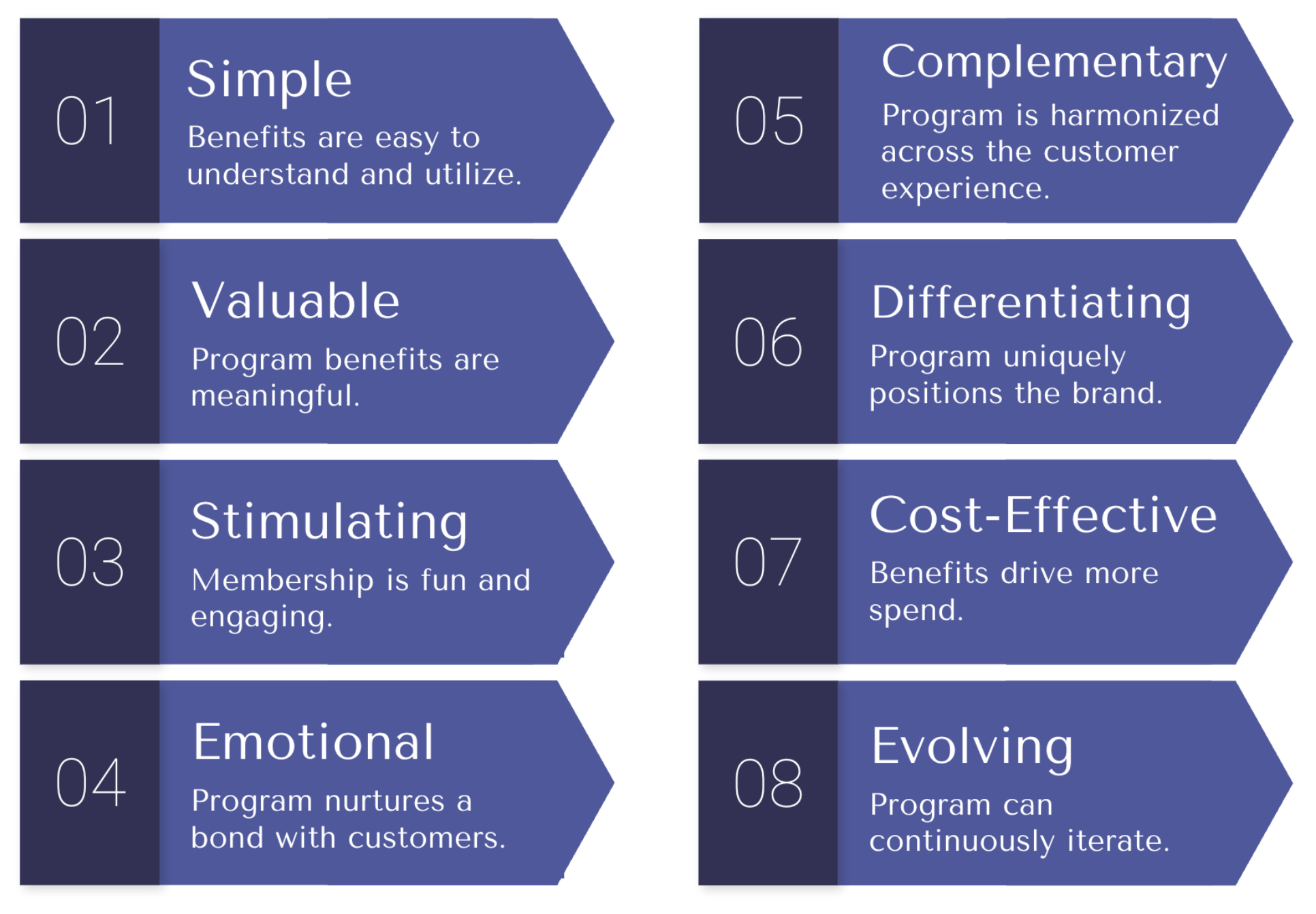
What Your Loyalty Program Actually Needs to Do
The goal is simple: increase repeat purchase rate and, ultimately, lifetime value. A program does this in two ways:
Increasing how often customers order
Increasing how much they spend per order
This is where the math gets critical. An effective program should lift order value, frequency, and lifetime value enough to more than offset the cost of rewards. The key is the sweet spot where rewards feel generous to customers while actually driving profitable behavior change.
Three Types of Loyalty Programs
You do not need all three to start. You need the one that fits your stage, your margins, and your customer.
Tier 1: A referral program
If you are starting from zero, start here. A referral program turns happy customers into an acquisition channel, rewarding loyalty while bringing in new buyers who already trust the person who referred them. The mechanics stay simple: a customer shares a code, their friend gets a first-order incentive, and the referrer earns a reward once that friend buys. Give both sides something worth acting on, because a reward that feels too small is where most referral programs quietly die. For a lean team, this is the lowest-lift entry point with the clearest payback.
Tier 2: Points-based programs
Points programs work well once you have enough repeat behavior to reward. Tie points to the behaviors you want more of, such as repeat orders, reviews, and referrals, rather than just dollars spent. Avoid making the path to a reward so long that customers forget they are enrolled, or setting redemption so generous that you erode your margin. If a customer can earn a meaningful reward without changing their behavior, you are paying for purchases you would have gotten anyway.
Tier 3: Community and VIP tiers
Your top customers do not just want a discount, they want to feel like insiders. VIP tiers reward your highest-value buyers with early access to drops, exclusive products, and experiences money cannot buy. This is where loyalty turns emotional, and emotional loyalty is the kind that survives a competitor’s lower price. You do not need this on day one, but it is worth designing toward.
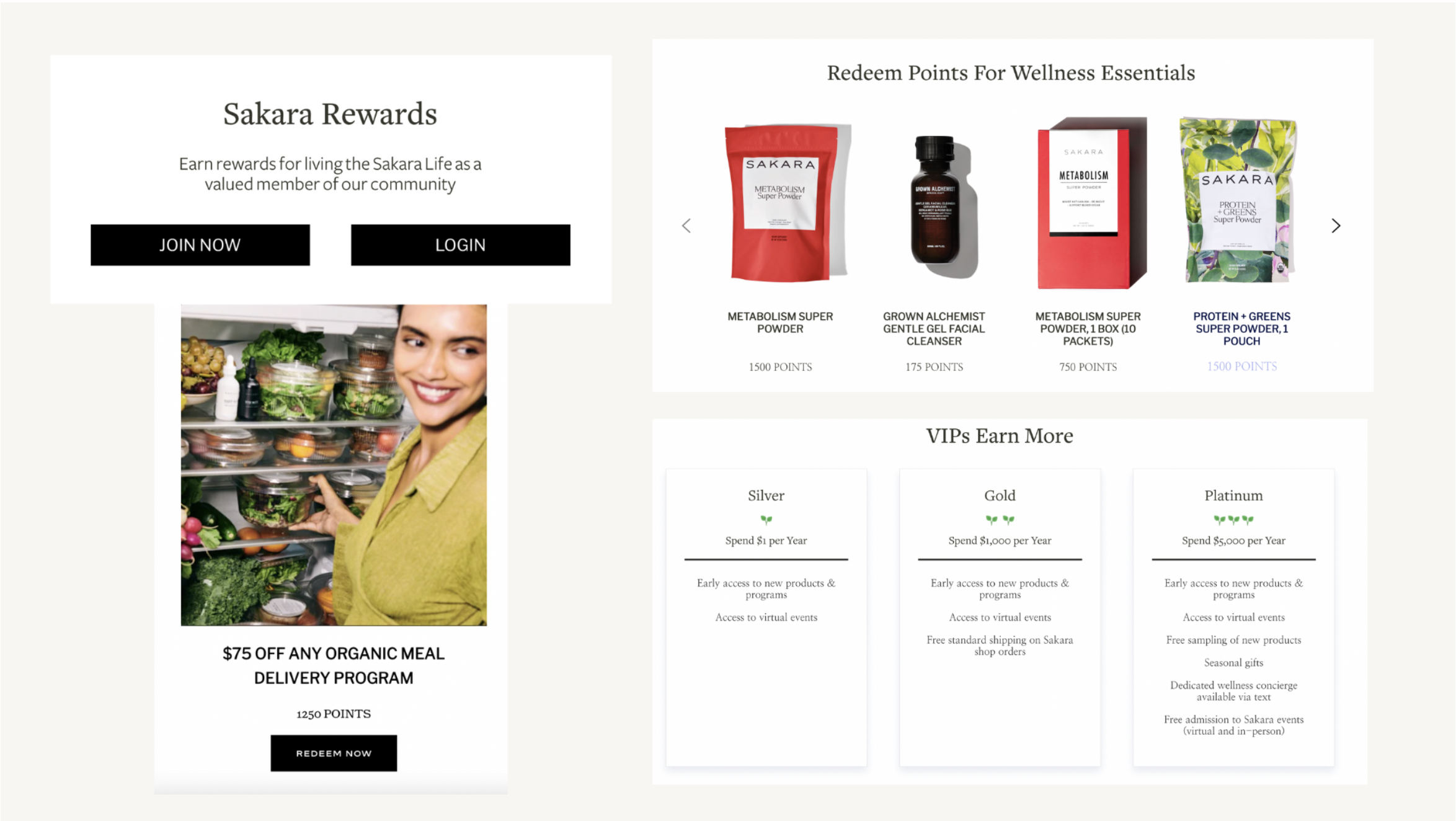
If you’re looking for inspiration, this blog post shares a few loyalty programs we love.
Tools that Work for Small Ecommerce Brands
You have good options at every budget. Smile.io is quick to launch, LoyaltyLion offers deeper customization, and Yotpo brings loyalty, reviews, and UGC into one connected ecosystem. Our preferred partner is Yotpo. When your loyalty data, reviews, and UGC live in one place and talk directly to your email platform, the program stops being a standalone feature and becomes part of how you run retention. For brands at the $2M to $25M stage, that connected setup is what turns a program from a checkbox into a revenue channel.
How to Connect your Loyalty Program to your Email Flows in Klaviyo
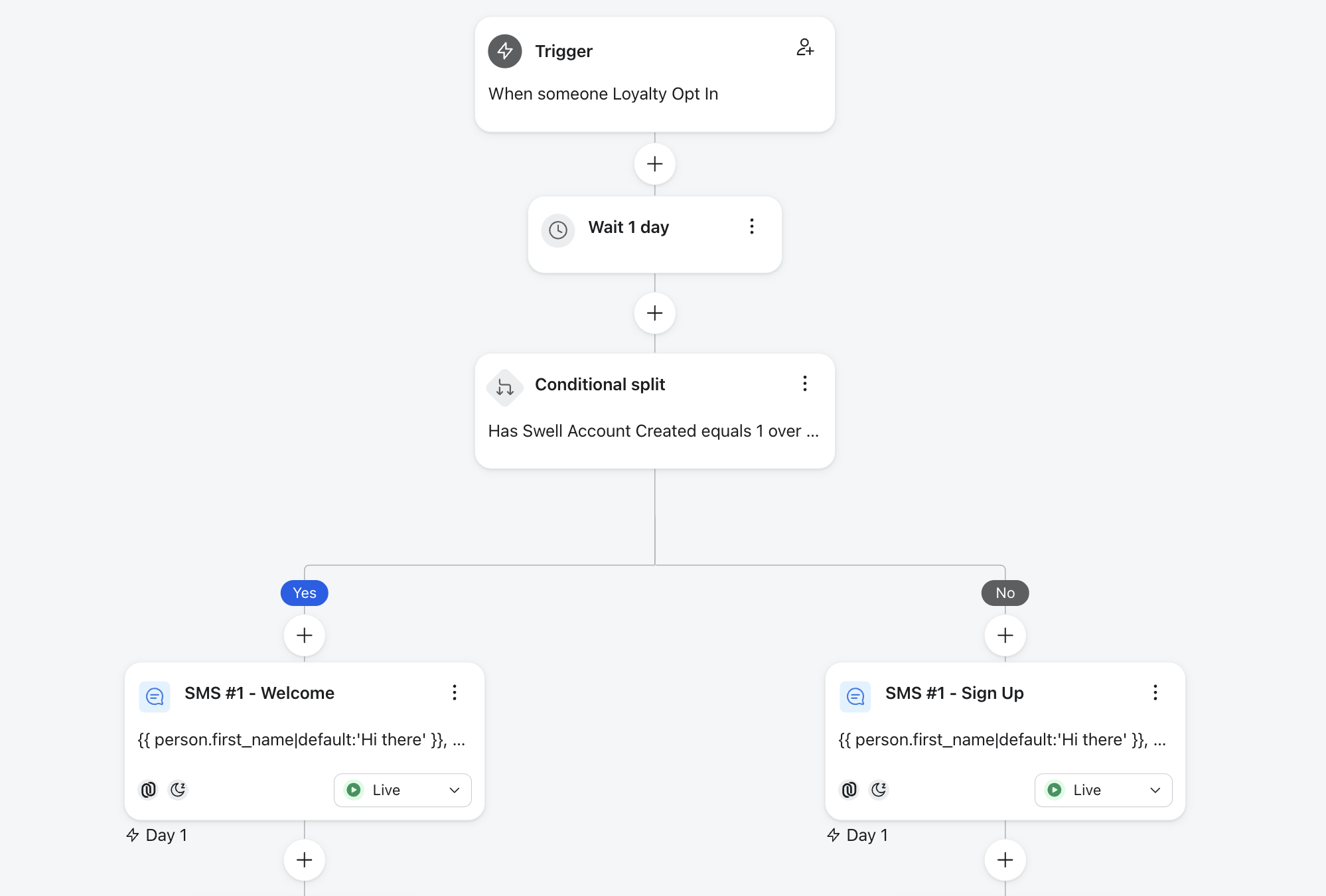
A program that lives in isolation is a missed opportunity. Sync loyalty data into Klaviyo so points balances, tier status, and reward availability become things you can trigger email on. A points-balance reminder nudges customers with unredeemed rewards back toward a purchase, a tier-progress flow tells someone they are close to VIP status and drives an incremental order, and a reward-expiration flow creates urgency without a discount. Introduce the program in your welcome and post-purchase flows too, so new customers know what they are building toward from their first order. This is the part most brands skip, and the part that separates a program sitting quietly on your site from one that consistently pulls revenue.
How to Measure if Your Loyalty Program is Actually Working
Treat the program like the investment it is. Watch repeat purchase rate, purchase frequency, average order value, and lifetime value, then compare members against non-members. If members order more often, spend more, and stay longer, it is working. Watch redemption rate as well, because very low redemption usually means the rewards are not compelling or are too hard to earn. If the numbers are not moving within a reasonable window, revisit the design rather than abandon the program.
Want a loyalty strategy built for your stage and budget? Let’s talk.
We use an 8-part system to audit and design loyalty programs balanced for value and cost and connected to the email flows that turn loyalty into revenue. If you are ready to build a program that fits your brand instead of fighting it, let’s design it together.
Frequently asked questions
How much does it cost to start a loyalty program?
Less than most founders expect. Entry-level platforms like Smile.io start at little or no monthly cost for a basic referral or points setup, and the larger expense is the rewards themselves, which should be structured to pay for themselves through higher order value and repeat purchases. You can launch a meaningful program without enterprise software or a dedicated budget line.
What kind of loyalty program is best for a small ecommerce brand?
It depends on what you need most right now. If you need new customers, a referral program is the simplest and highest-payback starting point. If you already have repeat buyers, a points program rewards and reinforces that behavior. Most small brands are best served starting with one mechanic and adding VIP tiers later as their best customers reveal themselves.
How long before a loyalty program shows results?
You can see early signals within a few months, particularly in repeat purchase rate and redemption activity, but lifetime value shifts take longer to read clearly because they depend on customer behavior over multiple purchase cycles. Give it at least one full season of buying behavior before judging the program, and measure members against non-members so you are seeing the program’s actual lift.