
Ecommerce Marketing to Moms: Then Vs. Now
Written by: Logan Beck
As an ecommerce marketer, I spend a lot of time thinking about audiences — how they shop, what they respond to, and what actually drives them to convert. Audiences become much easier to understand when you identify with one.
After becoming a mother, I can say that most brands are more than likely getting it wrong when it comes to this dynamic audience.
Mothers aren’t a niche at all. They’re not a clean persona you can drop into a deck. They’re one of the most influential, and misunderstood, consumer groups. And yet, they’re the trickiest consumer group to speak to because they’re often overstimulated, busy, and quick to tune out noise. In honor of Mother’s Day quickly approaching, here’s why marketing to mothers requires more nuance, and care, from brands than ever before.
The Evolution of Marketing to Women and Mothers
Marketing once relied on a narrow, predictable version of motherhood. Today, that predictability is gone. Back in the day, maybe we knew better who the average mother was. Perhaps she stayed at home with the kids, served on PTA and had dinner hot and ready to go the second her husband walked through the door. Perhaps she was responsible for her household’s consumer decisions, purchasing all of the groceries, cleaning products, and clothing, and didn’t have discretionary income of her own to spend on personal care items or luxury goods. This is not to say that this mother doesn’t still exist — the “trad wife” movement is alive and well thanks to the likes of Ballerina Farm, Nara Smith and other creators whose made-from-scratch meals and seemingly perfect personas both enrage some and inspire others.
Traditional gender roles dictated women in advertising back in the 1950s (and well into the 70s, 80s and early 90s). Not only did we make assumptions about mothers, we made assumptions about women aspiring to become mothers at all. Messaging was narrow, one-dimensional, and often rooted in expectation rather than reality, positioning motherhood as both a default identity assumed by women and a social and financial limitation.
Today, that version of the “average mother” no longer exists, if it ever truly did. Mothers are working, building businesses, leading teams, creating content, and shaping culture, often while still carrying a disproportionate share of household responsibilities. Mothers come in all iterations of identity. They have their own income, their own tastes, and their own expectations for the brands they engage with. They’re not just buying for their families, they’re buying for themselves. They’re far more discerning about where they spend, what they support, and how brands speak to them.
Mothers Are Not a Monolith
A first-time mom has completely different needs, priorities, motivations and purchasing behaviors than a mother of three. A working mom shops differently than a stay-at-home mom. An expecting mother is in a different mindset than someone with school-aged kids.
Effective ecommerce marketing strategy to moms should start with segmentation:
Full-time working mothers with a lengthy commute
Single mothers without a village
Moms of infants vs older children
Layer in lifestyle, income, values
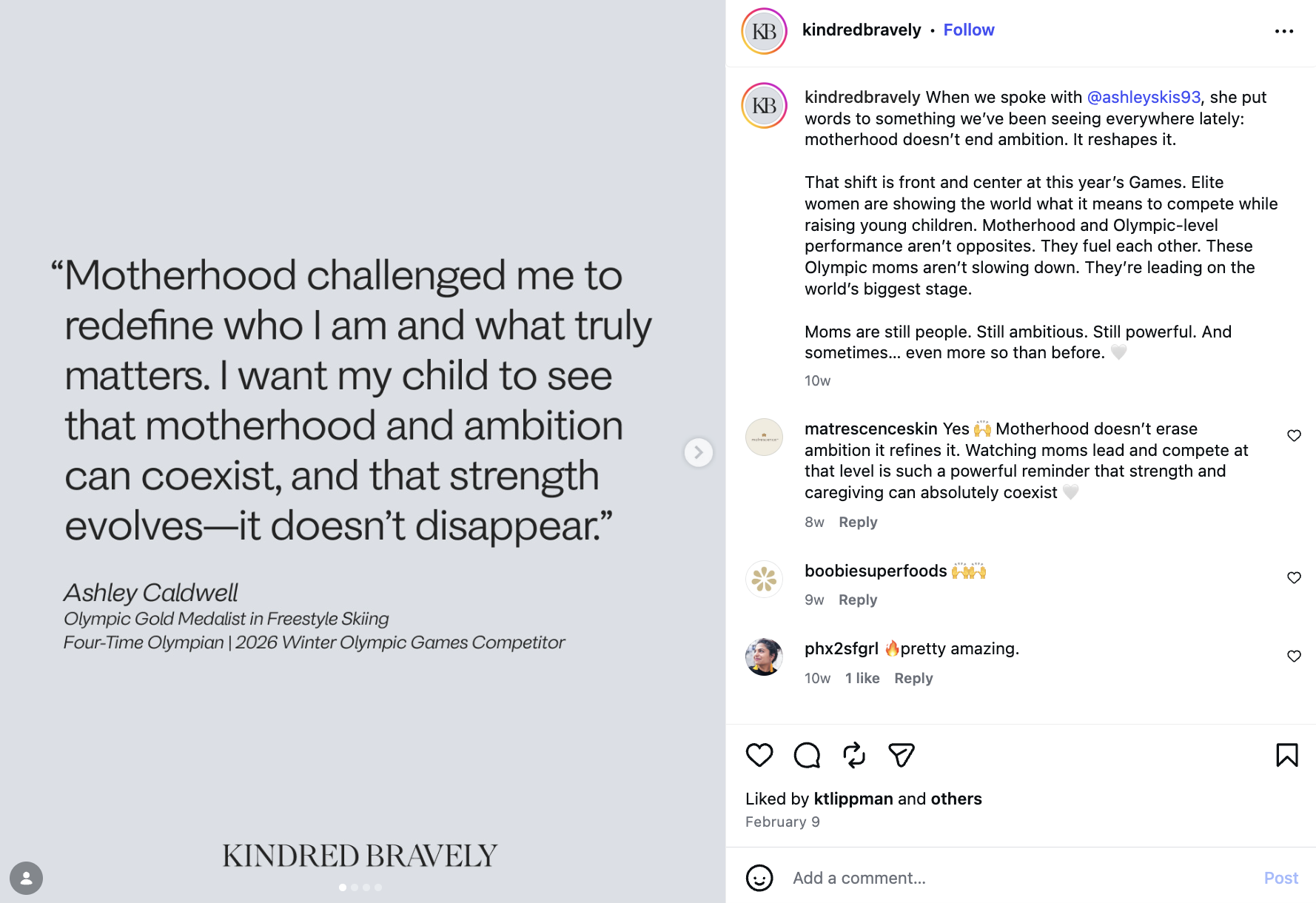
Image credit: Kindred Bravely
Segmentation shouldn’t just be a demographic, it should reflect mindset, time constraints, and decision-making context. The more specific your understanding, the more relevant and effective your marketing becomes.
Dial Up Convenience - and Trust
If there’s one universal truth in consumer behavior of all mothers, it’s this: time is limited.
Moms are constantly optimizing in every aspect of their lives, looking for products, brands, and experiences that make their lives easier. That’s why convenience and time-saving messaging performs so well in ecommerce marketing for moms. Convenience alone doesn’t build loyalty, however. Trust does.
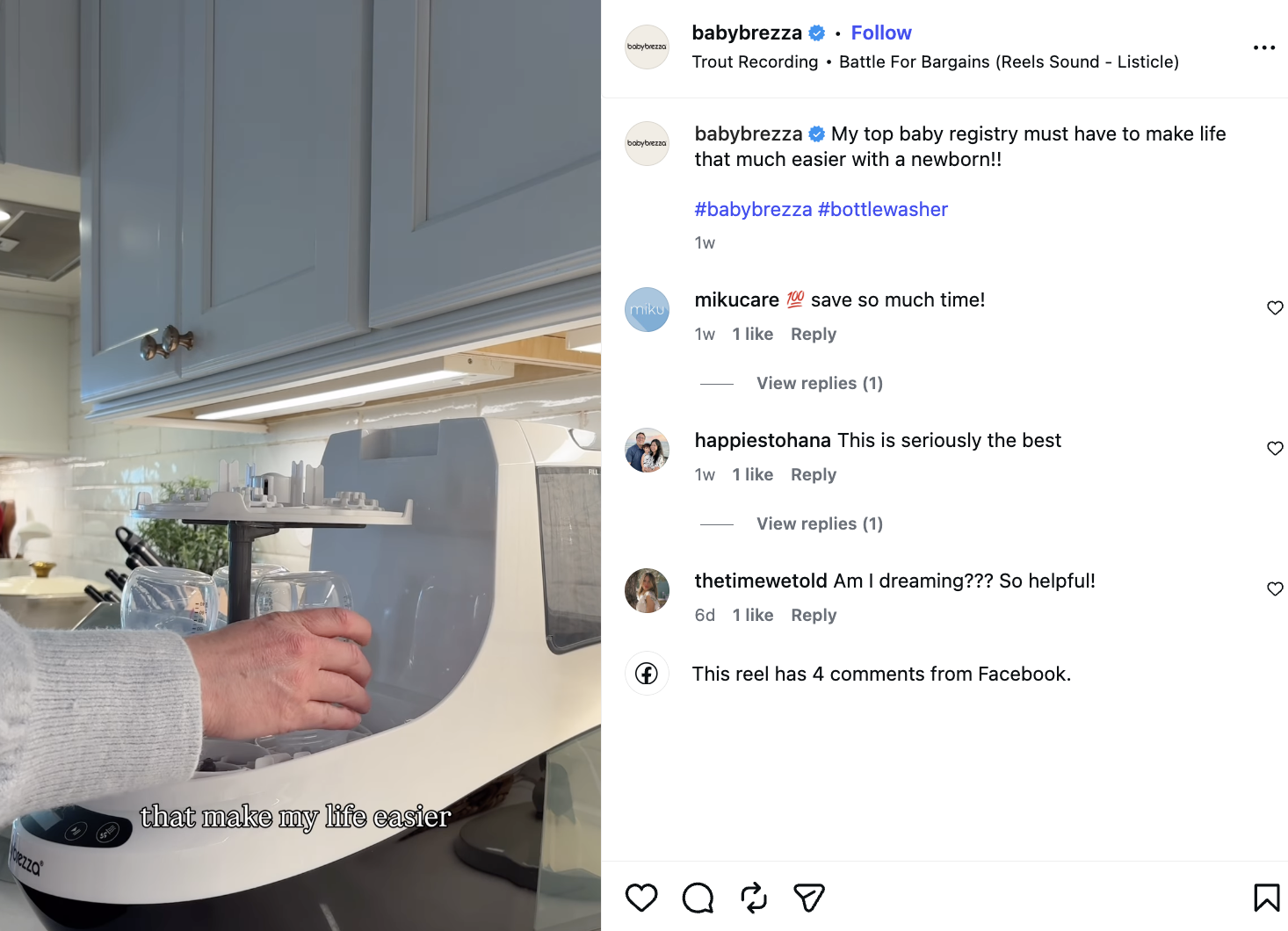
Image credit: Baby Brezza
Mothers are highly selective about the brands they bring into their lives and homes. They research, read reviews, and rely heavily on recommendations. Word-of-mouth referrals, social proof, and brand trust carry more weight here than almost any other audience.
If your brand earns their trust, you don’t just gain a customer, you gain an advocate who will be more likely to pass along your brand to other moms.
Moms May Be Loyal, Once You Win them Over
Brand loyalty among mothers is incredibly strong, but it’s earned, not given. Once a mom finds a product or brand that works, she’s likely to stick with it. Switching costs are high, not just financially, but mentally. Trying something new requires time, research, and risk.

Image credit: @couldihavethat & Lake Pajamas
This means two things for brands: It may take longer to acquire a customer, but the lifetime value is significantly higher. The opportunity isn’t just in the first purchase, it’s in building long-term relationships.
Meet Moms Where They’re At
The modern mother is dynamic and reaching her requires thought. The most effective strategies show up where she already is, in moments that feel natural, helpful, and easy to engage with. That’s why top-performing channels like email and SMS remain essential for delivering timely, personalized touch points that fit seamlessly into her day. Influencer marketing builds trust by meeting her through voices she already follows and relates to, offering authentic recommendations over traditional ads. Together, these channels create a connected ecosystem that meets moms where they’re at, rather than asking them to come to you.
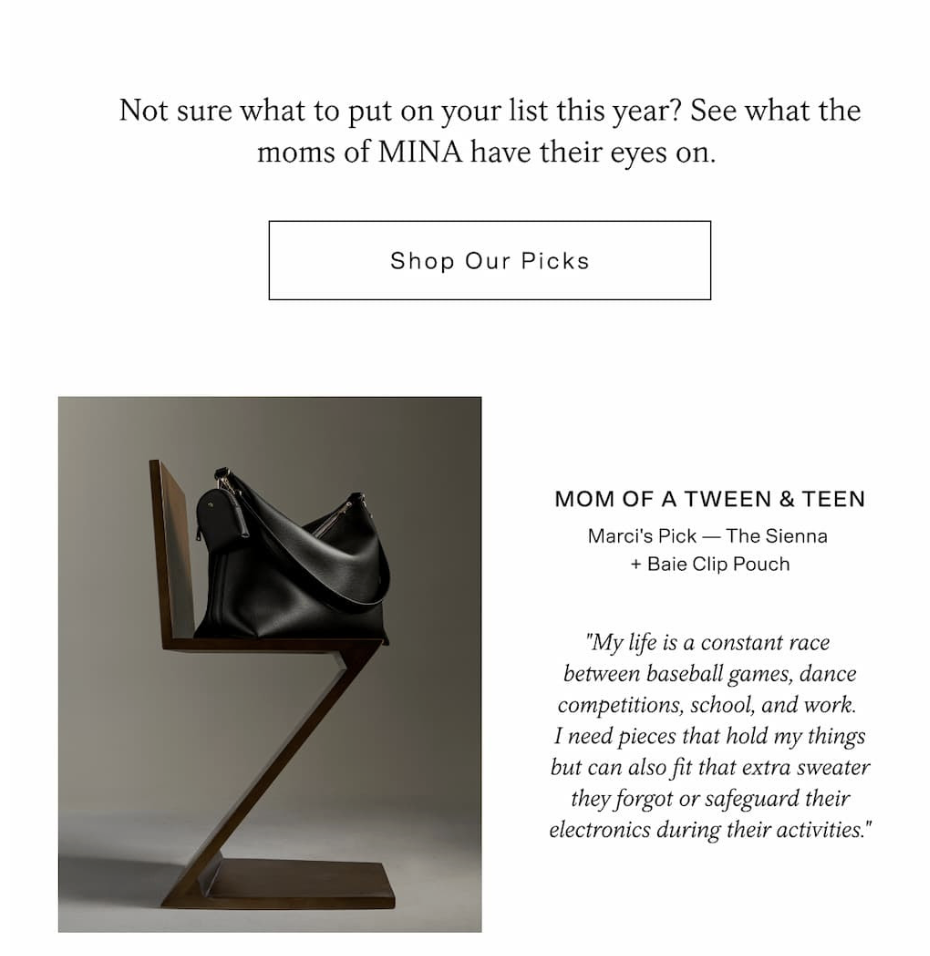
Image credit: Mina Baie
Why Most Brands Miss the Mark
Brands treat moms like a campaign. However, motherhood is not a moment, it is a constant. They show up loudly around key holidays or campaigns, then disappear just as quickly, missing the reality that moms are an always-on audience, not a seasonal one. Their needs, routines, and purchasing decisions don’t start and stop with a single promotion; they’re constant, evolving daily alongside the demands of motherhood. By only speaking to moms on a campaign basis, brands fail to build the consistency and trust required to earn a place in her world. The result of this is messaging that feels transactional instead of relational, and ultimately, easy to ignore in her world filled to the brim with noise.
If you want to earn her attention, it’s time to start showing up consistently. Moms don’t need more brands begging for a purchase, they need brands that understand how their lives actually work and clearly demonstrate how they can make it easier. The brands that win won’t be the loudest or the most promotional, they’ll be the ones that are reliable, relevant, and genuinely helpful over time. When you respect her time, anticipate her needs, and deliver real value, you’re not just earning a transaction — you’re earning a place in her daily life.
FAQs
1. Why is marketing to moms different from other audiences?
Moms are navigating constant decision-making across their households, careers, and personal lives, often simultaneously. This creates a unique consumer mindset: highly selective, time-constrained, and quick to filter out anything that isn’t immediately relevant or helpful. Brands need to be both efficient and trustworthy to break through.
2. What are the most effective marketing channels to reach moms?
Email and SMS remain highly effective due to their direct and personalized nature. Influencer marketing is also powerful, as moms rely heavily on recommendations from trusted voices. Search plays a critical role in capturing intent-driven moments when moms are actively looking for solutions.
3. How should brands segment moms for better marketing?
Effective segmentation goes beyond basic demographics. Brands should consider life stage (expecting, newborn, school-aged), lifestyle (working, stay-at-home, single parent), and mindset (time-strapped, value-driven, convenience-focused). The more specific the segmentation, the more relevant the messaging.
4. What kind of messaging resonates most with moms?
Messaging that emphasizes convenience, reliability, and real-life utility performs best. Moms respond to brands that clearly demonstrate how they can save time, reduce stress, or improve daily routines—not just sell a product.